AI Engineer vs Prompt Engineer:
What's the Real Difference?
Prompt engineering went viral in 2023, but is it a career or just a skill?
Understanding where these roles diverge helps you make a smart career bet.
AI Native Engineer Community Access
Is Prompt Engineering a Real Career?
The Honest Answer.
You've heard prompt engineering is the 'easiest' AI job. But you're not sure if it's a standalone career or just one part of a larger role.
Companies initially hired prompt engineers, but now those roles are getting absorbed into broader AI engineering positions.
You're unsure whether to specialize in prompts or learn the full AI engineering stack.
Here's the Reality in 2026
The AI Career Accelerator
Prompt engineering is a critical skill, but rarely a standalone job. AI engineers write prompts as part of building complete systems. Understanding this distinction prevents career dead-ends.
Prompt Engineer Focus
Optimizing prompts, testing variations, improving model outputs, and documenting prompt patterns
AI Engineer Focus
Building complete systems: APIs, RAG pipelines, agents, deployment, monitoring, and yes—prompt engineering
The Market Reality
Dedicated prompt engineer roles exist but are rare. Most companies want AI engineers who can also write great prompts.
Meet Your Mentor

When I started in tech, I was based in the Netherlands with no connections and only thousands of video game hours under my belt. Not exactly the ideal starting point.
My first tech job was software tester. One of the most junior roles you can start with. I was just happy someone took a chance on me.
I kept learning. Kept pivoting. But what actually accelerated my career wasn't more certifications or more code. It was learning to solve problems that matter and proving beyond a doubt that what I built solved real problems. That's the skill that stays future-proof, even with AI.
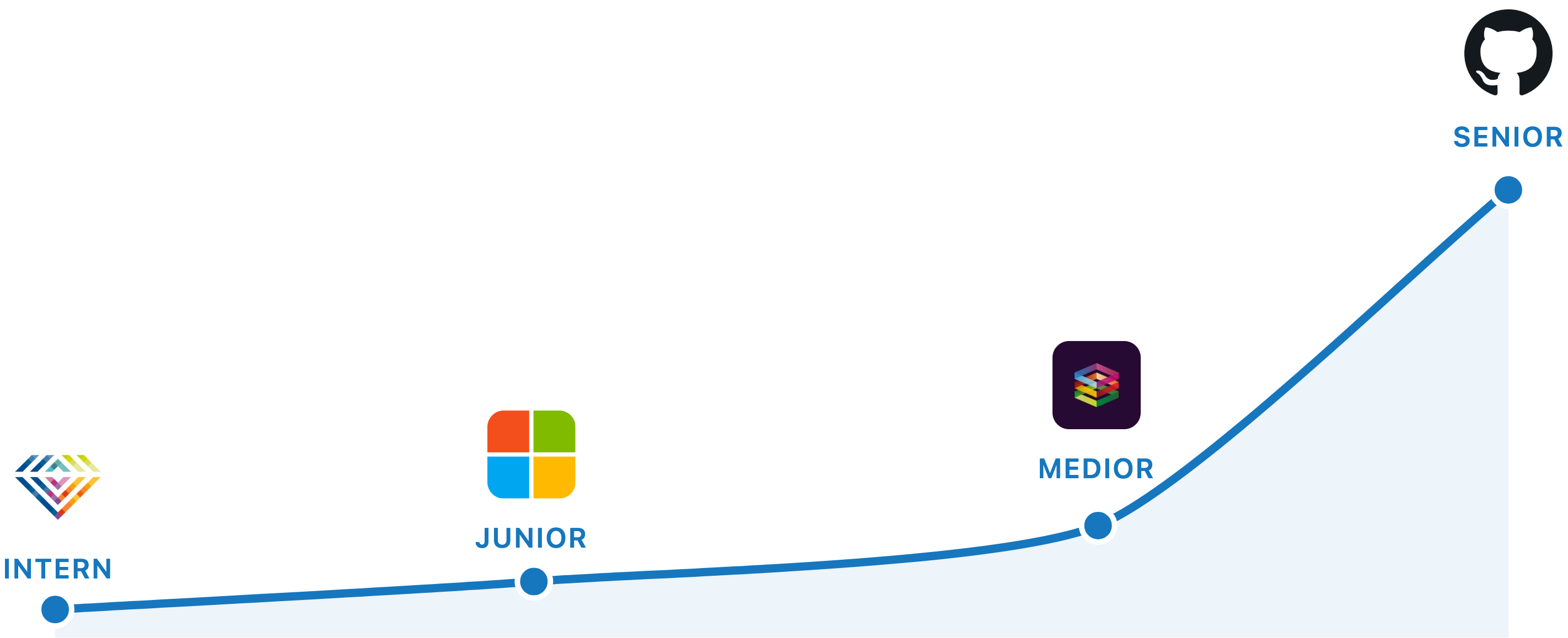
I've since worked remotely for international software companies throughout my career. Proof that the high-paid remote path is possible for anyone with the right skills and motivation. In the end, I went from a $500/month internship to 6 figures as a Senior AI Engineer at GitHub.
Now I teach over 22,000 engineers on YouTube. Becoming an AI-Native Engineer is a system I lived through and offer to you today.
Real Results

Vittor
AI Engineer
Landed his first AI Engineering role in 3 months
"The coaching played a huge part in my success. I focused on AI fundamentals, the certification path, and soft skills like professional writing. Having access to expert guidance gave me confidence during interviews and helped me feel I was on the right path.
I built my own platform (simple but functional) and deployed it on AWS. I used it in my portfolio and showcased it during interviews. The way complex topics were explained, especially the restaurant analogy for AI systems, really stuck with me. Focusing on doing the basics well was absolutely essential."
What You Will Get
Personalized Roadmap & Career Strategy
A custom plan tailored to your background, goals, and timeline. No generic advice.
Weekly 1:1 Coaching Calls
Direct access to Zen for guidance, project feedback, and answers to your questions.
Portfolio-Ready AI Projects
Build production-grade AI applications to showcase to employers. Work that gets you hired.
Interview Prep & Mock Interviews
Practice technical and behavioral interviews. Learn what hiring managers look for.
Resume & LinkedIn Optimization
Transform your online presence to attract recruiters. Stand out from other applicants.
Community Career Support
Join the AI Native Engineer community. Not seeing results yet? You stay and keep going. We're with you through the ups and downs.
Skills Compound. Build the Full Stack.
Every month you delay can cost you thousands in lost earning potential. While you're watching tutorials, others are landing $120K+ AI Engineering roles.
I can only work with a limited number of 1:1 clients at a time to ensure you get the personalized attention you deserve.
Frequently Asked Questions
What is the main difference between AI engineers and prompt engineers?
AI engineers build complete AI-powered systems: they design architectures, write code, integrate APIs, build RAG systems, deploy to production, and maintain applications. Prompt engineering is one of many skills they use. Prompt engineers focus specifically on optimizing model interactions: writing effective prompts, testing variations, measuring output quality, and creating prompt libraries. Think of AI engineers as building the entire car, while prompt engineers optimize the steering.
Is prompt engineering a viable standalone career in 2026?
It's complicated. In 2023-2024, companies hired dedicated prompt engineers. By 2026, most of those roles have been absorbed into AI engineering positions or content/strategy roles. Pure prompt engineering jobs exist at large enterprises and AI-focused companies, but they're rare. The skill is valuable, but building a career solely on prompt optimization is risky. Most successful 'prompt engineers' have evolved into AI engineers or product roles.
What skills do AI engineers and prompt engineers share?
Both need deep understanding of LLM capabilities and limitations, strong writing skills, ability to iterate systematically, and understanding of evaluation metrics. Both benefit from knowing multiple model providers (OpenAI, Anthropic, Google). The difference: AI engineers also need software engineering skills (Python, APIs, databases, deployment), while prompt engineers may focus more on linguistics, testing frameworks, and documentation.
Do AI engineers or prompt engineers earn more?
AI engineers typically earn more because the role is broader and includes software engineering. AI engineers: $130K-$250K. Dedicated prompt engineer roles (when they exist) typically range $80K-$140K. However, prompt engineers at senior levels in enterprise settings can reach $150K+. The ceiling is higher for AI engineers because they can architect entire systems, not just optimize one component.
Should I become a prompt engineer or an AI engineer?
If you're non-technical and want to work with AI, prompt engineering skills can get you into AI-adjacent roles (product, content, strategy). If you can code or want to learn, AI engineering is the stronger career bet. It includes prompt engineering plus everything else: building APIs, RAG systems, agents, and production deployments. The AI engineer path offers more job security, higher compensation, and broader opportunities.
What's the future outlook for each role?
AI engineering is growing rapidly with no signs of slowing. Every company needs engineers who can build AI-powered features. Prompt engineering as a standalone role is consolidating—the skill becomes standard for anyone working with LLMs. The best path: learn prompt engineering as part of becoming an AI engineer. You get the skill and the career sustainability.
Do I need coding experience to become a prompt engineer?
Not necessarily for pure prompt engineering roles, though they're rare. Many prompt engineers come from writing, content, or research backgrounds. However, basic Python helps with testing and automation. For AI engineering, coding is essential. If you want career growth, learning to code opens far more doors than staying in prompt-only roles.
How long does it take to become proficient in each role?
Prompt engineering basics: 2-4 weeks of focused practice. Advanced prompt engineering: 2-3 months. AI engineering: 3-6 months with programming background, longer without. The difference is scope: prompt engineering is one skill, AI engineering is a complete discipline. Investing in AI engineering takes longer but pays off with broader capabilities.
What if I don't land interviews in 90 days?
You become a member of the AI Native Engineer community, and you stay and keep going. Career transitions take different amounts of time for everyone, and I'm not going to abandon you if things take longer. You get ongoing support through good times and bad.
How is this different from online courses?
Online courses give you content. 1:1 coaching gives you a personalized roadmap, direct feedback on your work, career strategy, interview prep, and accountability. You get answers to your specific questions and guidance tailored to your unique situation instead of generic advice meant for everyone.
What's the investment for 1:1 coaching?
Investment details are discussed during the 30-minute strategy call, where we'll assess your goals and create a custom plan. The program is designed to pay for itself quickly through your increased salary. Most AI engineers see a 20-50% pay increase.
Can I do this while working full-time?
Absolutely. Most of my clients work full-time and make steady progress. We'll schedule calls at times that work for you and create a realistic plan that fits your schedule. Consistency matters more than intensity.
Ready to Land Your AI Role?
Stop watching others succeed. Start building your AI career today.
30-minute strategy call • Limited spots available