AI Interview Follow-Up Strategy:
What to Do After Interviews
The interview isn't over when you leave the room.
Learn professional follow-up practices that leave positive impressions.
AI Native Engineer Community Access
After the Interview,
Now What?
You're not sure if you should send thank-you notes or if they seem desperate.
You don't know how long to wait before following up on a decision.
Radio silence is stressful and you're not sure if you should reach out.
Professional Follow-Up That Works
The AI Career Accelerator
Follow-up shows professionalism, not desperation. The right approach reinforces your interest without annoying recruiters.
Send Thank-You Within 24 Hours
Brief email to recruiter or each interviewer you connected with
Wait the Stated Timeline
Don't follow up before the date they gave you for decisions
One Polite Check-In
If past timeline, one brief email asking for updates
Know When to Move On
After two follow-ups with no response, focus elsewhere
Meet Your Mentor

When I started in tech, I was based in the Netherlands with no connections and only thousands of video game hours under my belt. Not exactly the ideal starting point.
My first tech job was software tester. One of the most junior roles you can start with. I was just happy someone took a chance on me.
I kept learning. Kept pivoting. But what actually accelerated my career wasn't more certifications or more code. It was learning to solve problems that matter and proving beyond a doubt that what I built solved real problems. That's the skill that stays future-proof, even with AI.
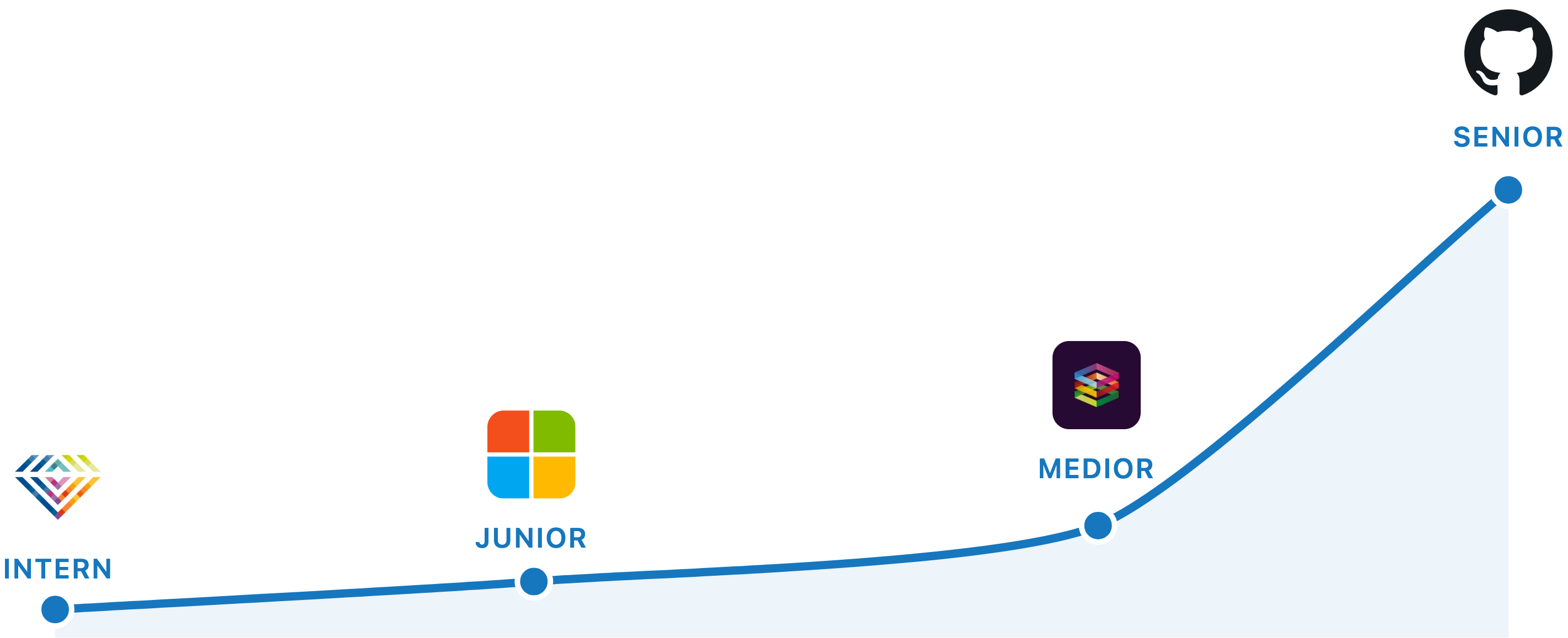
I've since worked remotely for international software companies throughout my career. Proof that the high-paid remote path is possible for anyone with the right skills and motivation. In the end, I went from a $500/month internship to 6 figures as a Senior AI Engineer at GitHub.
Now I teach over 22,000 engineers on YouTube. Becoming an AI-Native Engineer is a system I lived through and offer to you today.
Real Results
Vittor
AI Engineer
Landed his first AI Engineering role in 3 months
"The coaching played a huge part in my success. I focused on AI fundamentals, the certification path, and soft skills like professional writing. Having access to expert guidance gave me confidence during interviews and helped me feel I was on the right path.
I built my own platform (simple but functional) and deployed it on AWS. I used it in my portfolio and showcased it during interviews. The way complex topics were explained, especially the restaurant analogy for AI systems, really stuck with me. Focusing on doing the basics well was absolutely essential."
What You Will Get
Personalized Roadmap & Career Strategy
A custom plan tailored to your background, goals, and timeline. No generic advice.
Weekly 1:1 Coaching Calls
Direct access to Zen for guidance, project feedback, and answers to your questions.
Portfolio-Ready AI Projects
Build production-grade AI applications to showcase to employers. Work that gets you hired.
Interview Prep & Mock Interviews
Practice technical and behavioral interviews. Learn what hiring managers look for.
Resume & LinkedIn Optimization
Transform your online presence to attract recruiters. Stand out from other applicants.
Community Career Support
Join the AI Native Engineer community. Not seeing results yet? You stay and keep going. We're with you through the ups and downs.
Professional Follow-Up Sets You Apart. Most Candidates Don't Bother.
Every month you delay can cost you thousands in lost earning potential. While you're watching tutorials, others are landing $120K+ AI Engineering roles.
I can only work with a limited number of 1:1 clients at a time to ensure you get the personalized attention you deserve.
Frequently Asked Questions
Should I send thank-you notes after AI interviews?
Yes—within 24 hours of each interview. Keep them brief (3-5 sentences): thank them for their time, mention one specific thing you discussed, reiterate your interest. Send to the recruiter after phone screens. After onsites, you can send to individual interviewers if you have their emails, or ask the recruiter to pass along thanks. It's professional courtesy that leaves a positive impression.
What should I write in post-interview follow-up emails?
Template: 'Thank you for taking the time to speak with me about the [Role] position. I enjoyed learning about [specific topic discussed]. The work on [specific project/team] sounds exciting, and I'm enthusiastic about the opportunity to contribute. I look forward to hearing about next steps.' Keep it genuine—reference something real from the conversation. No need for lengthy paragraphs.
How long should I wait before following up on a decision?
Wait until their stated timeline passes, then add 2-3 business days. If they said 'end of week' and it's the following Tuesday with no word, a brief check-in is appropriate: 'I wanted to follow up on my interview last week. Please let me know if there's any additional information I can provide.' One follow-up is professional; daily emails are not.
Should I follow up with multiple people at the company?
The recruiter is your main contact—direct most follow-up there. After onsites, individual thank-you notes to interviewers are appropriate but not required. If you need information (timeline, next steps), ask the recruiter. If the recruiter is unresponsive after multiple attempts, reaching out to the hiring manager you interviewed with is acceptable, but frame it as seeking clarity, not going around the recruiter.
How should I respond to rejection after an AI interview?
Respond graciously: 'Thank you for letting me know and for the opportunity to interview. I appreciated learning about the team and wish you success with the role. If circumstances change or other positions open up, I'd welcome the chance to connect again.' This leaves doors open—companies remember candidates who handle rejection well. Never argue with or criticize the decision.
How much time should I spend on post-interview follow-up?
Minimal—don't overthink it. Thank-you notes: 5-10 minutes each. Follow-up emails: 5 minutes. The mental energy spent worrying about follow-up is better spent preparing for other interviews. Send your notes, wait appropriately, and continue your job search in parallel.
Do I need prior AI experience?
Not necessarily. While some programming experience is helpful, many of my clients have successfully transitioned from web development, data science, or other technical backgrounds. We'll assess your current skills during our strategy call and create a personalized plan that meets you where you are.
What if I don't land interviews in 90 days?
You become a member of the AI Native Engineer community, and you stay and keep going. Career transitions take different amounts of time for everyone, and I'm not going to abandon you if things take longer. You get ongoing support through good times and bad.
How is this different from online courses?
Online courses give you content. 1:1 coaching gives you a personalized roadmap, direct feedback on your work, career strategy, interview prep, and accountability. You get answers to your specific questions and guidance tailored to your unique situation instead of generic advice meant for everyone.
What's the investment for 1:1 coaching?
Investment details are discussed during the 30-minute strategy call, where we'll assess your goals and create a custom plan. The program is designed to pay for itself quickly through your increased salary. Most AI engineers see a 20-50% pay increase.
Can I do this while working full-time?
Absolutely. Most of my clients work full-time and make steady progress. We'll schedule calls at times that work for you and create a realistic plan that fits your schedule. Consistency matters more than intensity.
Ready to Land Your AI Role?
Stop watching others succeed. Start building your AI career today.
30-minute strategy call • Limited spots available