Database Administrator to AI Engineer
Your Data Skills Are Your Edge.
DBAs understand data better than most engineers ever will.
That's exactly what AI engineering needs.
AI Native Engineer Community Access
Stuck in the 'Non-Developer' Box?
You write SQL all day but get labeled as 'not a real programmer' by hiring managers.
ML concepts feel overwhelming when your background is in relational databases, not algorithms.
AI roles want Python and machine learning experience, but your resume screams 'operations.'
Bridge the Gap, Don't Start Over.
The AI Career Accelerator
You already understand data at a level most AI engineers never reach. Data modeling, query optimization, pipeline architecture - these are foundational AI skills. The transition isn't about starting over. It's about adding ML tools to your existing expertise.
Reframe Your Experience
Position data skills as AI foundations
Add Python & ML Basics
Targeted learning, not a full bootcamp
Build AI + Data Projects
Showcase your unique combination
Meet Your Mentor

When I started in tech, I was based in the Netherlands with no connections and only thousands of video game hours under my belt. Not exactly the ideal starting point.
My first tech job was software tester. One of the most junior roles you can start with. I was just happy someone took a chance on me.
I kept learning. Kept pivoting. But what actually accelerated my career wasn't more certifications or more code. It was learning to solve problems that matter and proving beyond a doubt that what I built solved real problems. That's the skill that stays future-proof, even with AI.
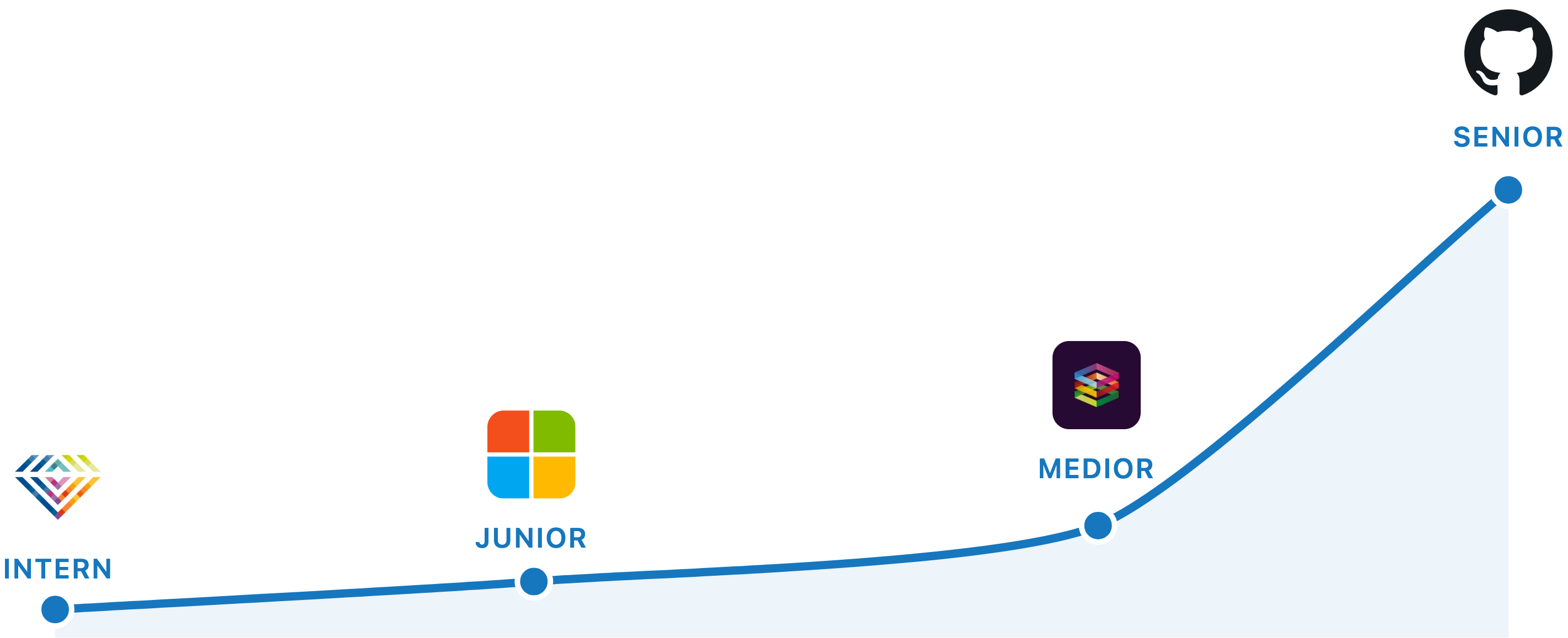
I've since worked remotely for international software companies throughout my career. Proof that the high-paid remote path is possible for anyone with the right skills and motivation. In the end, I went from a $500/month internship to 6 figures as a Senior AI Engineer at GitHub.
Now I teach over 22,000 engineers on YouTube. Becoming an AI-Native Engineer is a system I lived through and offer to you today.
Real Results

Vittor
AI Engineer
Landed his first AI Engineering role in 3 months
"The coaching played a huge part in my success. I focused on AI fundamentals, the certification path, and soft skills like professional writing. Having access to expert guidance gave me confidence during interviews and helped me feel I was on the right path.
I built my own platform (simple but functional) and deployed it on AWS. I used it in my portfolio and showcased it during interviews. The way complex topics were explained, especially the restaurant analogy for AI systems, really stuck with me. Focusing on doing the basics well was absolutely essential."
What You Will Get
Personalized Roadmap & Career Strategy
A custom plan tailored to your background, goals, and timeline. No generic advice.
Weekly 1:1 Coaching Calls
Direct access to Zen for guidance, project feedback, and answers to your questions.
Portfolio-Ready AI Projects
Build production-grade AI applications to showcase to employers. Work that gets you hired.
Interview Prep & Mock Interviews
Practice technical and behavioral interviews. Learn what hiring managers look for.
Resume & LinkedIn Optimization
Transform your online presence to attract recruiters. Stand out from other applicants.
Community Career Support
Join the AI Native Engineer community. Not seeing results yet? You stay and keep going. We're with you through the ups and downs.
AI Needs Data Experts Who Actually Understand Data
Every month you delay can cost you thousands in lost earning potential. While you're watching tutorials, others are landing $120K+ AI Engineering roles.
I can only work with a limited number of 1:1 clients at a time to ensure you get the personalized attention you deserve.
Frequently Asked Questions
What advantages do DBAs have in AI engineering?
DBAs bring critical skills most AI engineers lack: deep understanding of data architecture, experience with production-scale systems, intuition for data quality issues, and performance optimization expertise. In 2026, as AI systems move from prototypes to production, companies desperately need people who understand both ML and robust data infrastructure. Your background positions you for specialized roles like ML Data Engineer or AI Platform Engineer.
How hard is Python if I only know SQL?
Easier than you expect. SQL and Python share logical thinking patterns - you're used to manipulating data, just with different syntax. Libraries like pandas even use SQL-like operations (joins, filters, groupby). Most DBAs become comfortable with Python data manipulation within 4-6 weeks. The bigger learning curve is understanding ML concepts, not the programming itself.
Am I too senior/experienced to make this transition?
Your seniority is an asset, not a liability. AI teams need people who understand production systems, can debug complex data issues, and know how to work with large-scale infrastructure. Junior ML engineers often lack these skills. Position yourself for senior AI/ML Data Engineering roles where your experience commands premium compensation.
Will I take a pay cut transitioning to AI?
Unlikely in 2026. Senior AI/ML roles typically pay $150K-$250K+, often more than DBA positions. Your data expertise combined with ML skills is a rare combination. Target roles like ML Platform Engineer, AI Data Engineer, or MLOps Engineer where your background is particularly valuable. These roles often pay more than pure ML researcher positions.
What job titles should I target?
Consider: ML Data Engineer, AI Platform Engineer, MLOps Engineer, Machine Learning Infrastructure Engineer, or AI Solutions Architect. These roles value your database and infrastructure experience alongside ML skills. Avoid entry-level 'ML Engineer' titles that undervalue your experience - target mid-senior roles that leverage your full background.
How much time do I need to commit?
Most clients invest 10-15 hours per week, but this can be flexible based on your schedule. We'll have weekly 1:1 calls plus time for you to work on projects and learning. The key is consistency. Regular, focused effort beats occasional marathons.
Do I need prior AI experience?
Not necessarily. While some programming experience is helpful, many of my clients have successfully transitioned from web development, data science, or other technical backgrounds. We'll assess your current skills during our strategy call and create a personalized plan that meets you where you are.
What if I don't land interviews in 90 days?
You become a member of the AI Native Engineer community, and you stay and keep going. Career transitions take different amounts of time for everyone, and I'm not going to abandon you if things take longer. You get ongoing support through good times and bad.
How is this different from online courses?
Online courses give you content. 1:1 coaching gives you a personalized roadmap, direct feedback on your work, career strategy, interview prep, and accountability. You get answers to your specific questions and guidance tailored to your unique situation instead of generic advice meant for everyone.
What's the investment for 1:1 coaching?
Investment details are discussed during the 30-minute strategy call, where we'll assess your goals and create a custom plan. The program is designed to pay for itself quickly through your increased salary. Most AI engineers see a 20-50% pay increase.
Can I do this while working full-time?
Absolutely. Most of my clients work full-time and make steady progress. We'll schedule calls at times that work for you and create a realistic plan that fits your schedule. Consistency matters more than intensity.
Ready to Land Your AI Role?
Stop watching others succeed. Start building your AI career today.
30-minute strategy call • Limited spots available