How to Become an
AI Engineering Manager
Lead the teams building AI products.
AI Engineering Managers guide technical direction while developing people—earning $220K-$350K+.
AI Native Engineer Community Access
Ready to Lead AI Teams,
Not Just Build AI Systems?
You're a strong engineer but wonder if management is right for you. The skills are different—and success isn't guaranteed.
The transition from IC to manager is notoriously difficult. Many engineers fail because they keep doing IC work.
Management requires skills you weren't taught as an engineer: hiring, performance reviews, handling conflict, navigating politics.
The Engineering Manager Path
The AI Career Accelerator
AI Engineering Managers lead through others. Your impact comes from enabling your team, not individual contributions. Here's the transition path.
Develop Leadership Fundamentals
Mentoring, feedback, conflict resolution, communication
Learn Management Craft
1:1s, performance management, hiring, team building
Build Strategic Thinking
Roadmapping, prioritization, cross-functional alignment
Maintain Technical Credibility
Stay connected to AI advances while focusing on people
Meet Your Mentor

When I started in tech, I was based in the Netherlands with no connections and only thousands of video game hours under my belt. Not exactly the ideal starting point.
My first tech job was software tester. One of the most junior roles you can start with. I was just happy someone took a chance on me.
I kept learning. Kept pivoting. But what actually accelerated my career wasn't more certifications or more code. It was learning to solve problems that matter and proving beyond a doubt that what I built solved real problems. That's the skill that stays future-proof, even with AI.
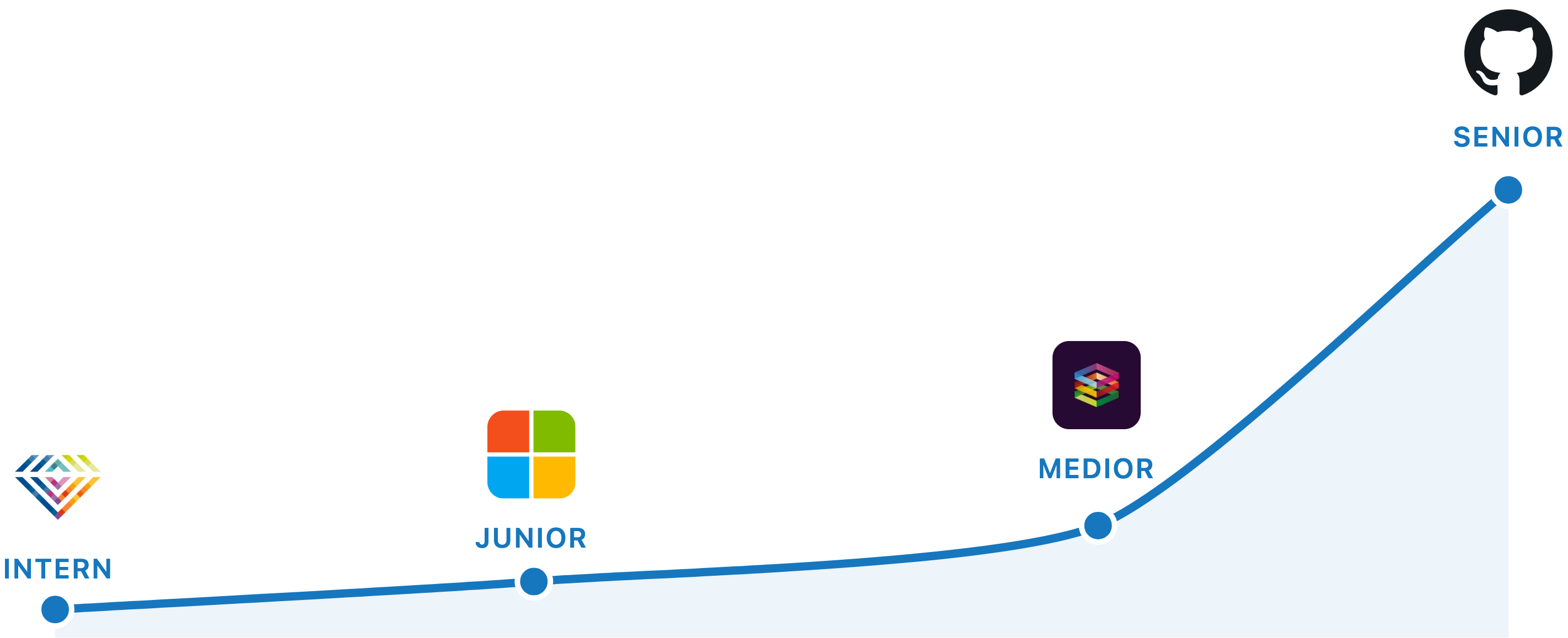
I've since worked remotely for international software companies throughout my career. Proof that the high-paid remote path is possible for anyone with the right skills and motivation. In the end, I went from a $500/month internship to 6 figures as a Senior AI Engineer at GitHub.
Now I teach over 22,000 engineers on YouTube. Becoming an AI-Native Engineer is a system I lived through and offer to you today.
Real Results

Vittor
AI Engineer
Landed his first AI Engineering role in 3 months
"The coaching played a huge part in my success. I focused on AI fundamentals, the certification path, and soft skills like professional writing. Having access to expert guidance gave me confidence during interviews and helped me feel I was on the right path.
I built my own platform (simple but functional) and deployed it on AWS. I used it in my portfolio and showcased it during interviews. The way complex topics were explained, especially the restaurant analogy for AI systems, really stuck with me. Focusing on doing the basics well was absolutely essential."
What You Will Get
Personalized Roadmap & Career Strategy
A custom plan tailored to your background, goals, and timeline. No generic advice.
Weekly 1:1 Coaching Calls
Direct access to Zen for guidance, project feedback, and answers to your questions.
Portfolio-Ready AI Projects
Build production-grade AI applications to showcase to employers. Work that gets you hired.
Interview Prep & Mock Interviews
Practice technical and behavioral interviews. Learn what hiring managers look for.
Resume & LinkedIn Optimization
Transform your online presence to attract recruiters. Stand out from other applicants.
Community Career Support
Join the AI Native Engineer community. Not seeing results yet? You stay and keep going. We're with you through the ups and downs.
Great AI Engineering Managers Are Rare. Technical Depth Plus People Skills Is an Uncommon Combination.
Every month you delay can cost you thousands in lost earning potential. While you're watching tutorials, others are landing $120K+ AI Engineering roles.
I can only work with a limited number of 1:1 clients at a time to ensure you get the personalized attention you deserve.
Frequently Asked Questions
What does an AI Engineering Manager do?
AI Engineering Managers lead AI engineering teams. Your job is making the team successful, not doing the technical work yourself. Day-to-day: running 1:1s with reports, hiring and interviewing, performance reviews and feedback, unblocking engineers, aligning with product and leadership, shaping technical direction, managing project delivery, developing people's careers. You still need AI knowledge to guide technical decisions, but you're not the one implementing. Success is measured by team outcomes, not personal output.
Should I stay IC or become a manager?
Choose management if: you get energy from helping others succeed, you're frustrated by only impacting your own work, you're interested in organizational challenges, you're willing to give up hands-on coding. Stay IC if: you love the technical craft, you want to go deep not wide, you don't enjoy administrative work, you derive satisfaction from personal technical contributions. Neither is better—they're different paths. Many engineers try management and return to IC, which is totally valid.
What skills do I need to become an engineering manager?
People skills: giving feedback, coaching, having difficult conversations, building relationships, resolving conflict. Management skills: running effective 1:1s, performance management, hiring, onboarding, delegation. Strategic skills: prioritization, roadmapping, stakeholder management, cross-functional collaboration. Technical credibility: enough AI knowledge to guide direction and earn respect. Emotional intelligence becomes more important than technical prowess.
How long does it take to become an AI Engineering Manager?
Typical path: 5-8 years as an engineer, 2-3 years as a senior/tech lead, then transition to management. Faster path: 4-5 years if you've demonstrated leadership informally. First management role is hardest to get—often requires internal promotion or joining a startup. New managers typically need 12-18 months to become effective. The first year is a struggle for most—expect a learning curve.
What salary can AI Engineering Managers expect?
First-level manager: $180K-$260K. Senior manager (managing managers): $250K-$350K. Director: $300K-$450K+. VP of AI Engineering: $400K-$600K+. At FAANG/top AI companies, add 30-50% for total comp. Engineering managers typically earn comparable to senior/staff engineers they manage. The comp advantage comes at director+ levels. Don't become a manager for money—do it if you want to lead.
How do I actually transition to management?
Build management experience while an IC: mentor extensively, lead projects, run team initiatives, participate in hiring. Express interest explicitly to your manager and ask for stretch opportunities. Internal transitions are most common—you have credibility and relationships. Alternative: join a startup in a player-coach role where you both code and lead. Some companies have 'trial management' where you manage temporarily to see if it fits before committing.
What experience do I need before becoming a manager?
Minimum: 4-5 years as an engineer with proven track record. Strong: 6-8 years with tech lead or mentoring experience. You need enough experience to guide technical decisions and earn team respect. Engineers won't follow a manager who lacks technical credibility. Leadership experience (mentoring, project leadership, hiring involvement) is as important as tenure.
How do I prepare for the management transition?
Start practicing now: mentor others, lead projects, run meetings, give feedback. Read about management: 'The Manager's Path,' 'High Output Management,' 'Radical Candor.' Take on management responsibilities informally. Seek feedback on your leadership. The transition is easier if you've been doing leadership work before the title. Most successful managers were 'acting managers' before officially promoted.
What if I don't land interviews in 90 days?
You become a member of the AI Native Engineer community, and you stay and keep going. Career transitions take different amounts of time for everyone, and I'm not going to abandon you if things take longer. You get ongoing support through good times and bad.
How is this different from online courses?
Online courses give you content. 1:1 coaching gives you a personalized roadmap, direct feedback on your work, career strategy, interview prep, and accountability. You get answers to your specific questions and guidance tailored to your unique situation instead of generic advice meant for everyone.
What's the investment for 1:1 coaching?
Investment details are discussed during the 30-minute strategy call, where we'll assess your goals and create a custom plan. The program is designed to pay for itself quickly through your increased salary. Most AI engineers see a 20-50% pay increase.
Can I do this while working full-time?
Absolutely. Most of my clients work full-time and make steady progress. We'll schedule calls at times that work for you and create a realistic plan that fits your schedule. Consistency matters more than intensity.
Ready to Land Your AI Role?
Stop watching others succeed. Start building your AI career today.
30-minute strategy call • Limited spots available