How to Become a
Senior AI Engineer
The level where impact multiplies and salary jumps.
Senior AI Engineers own systems end-to-end and earn $180K-$280K+ at top companies.
AI Native Engineer Community Access
Stuck at Mid-Level?
Ready for Senior Scope and Salary?
You're competent at your job but not sure what separates senior from mid-level. The requirements seem vague.
You want the salary jump ($70K+ increase is common) but don't know what skills to prioritize.
Senior roles require influencing others, not just individual output. That transition isn't taught in bootcamps.
The Senior Engineer Formula
The AI Career Accelerator
Senior AI Engineers demonstrate three things: technical depth, system ownership, and multiplying impact through others. Here's the roadmap.
Develop Technical Depth
Master 2-3 AI domains deeply: RAG, agents, MLOps, system design
Own Systems End-to-End
Take full responsibility for production systems from design to monitoring
Multiply Impact
Mentor juniors, write documentation, improve team processes
Communicate Effectively
Write clear proposals, present to stakeholders, drive technical decisions
Meet Your Mentor

When I started in tech, I was based in the Netherlands with no connections and only thousands of video game hours under my belt. Not exactly the ideal starting point.
My first tech job was software tester. One of the most junior roles you can start with. I was just happy someone took a chance on me.
I kept learning. Kept pivoting. But what actually accelerated my career wasn't more certifications or more code. It was learning to solve problems that matter and proving beyond a doubt that what I built solved real problems. That's the skill that stays future-proof, even with AI.
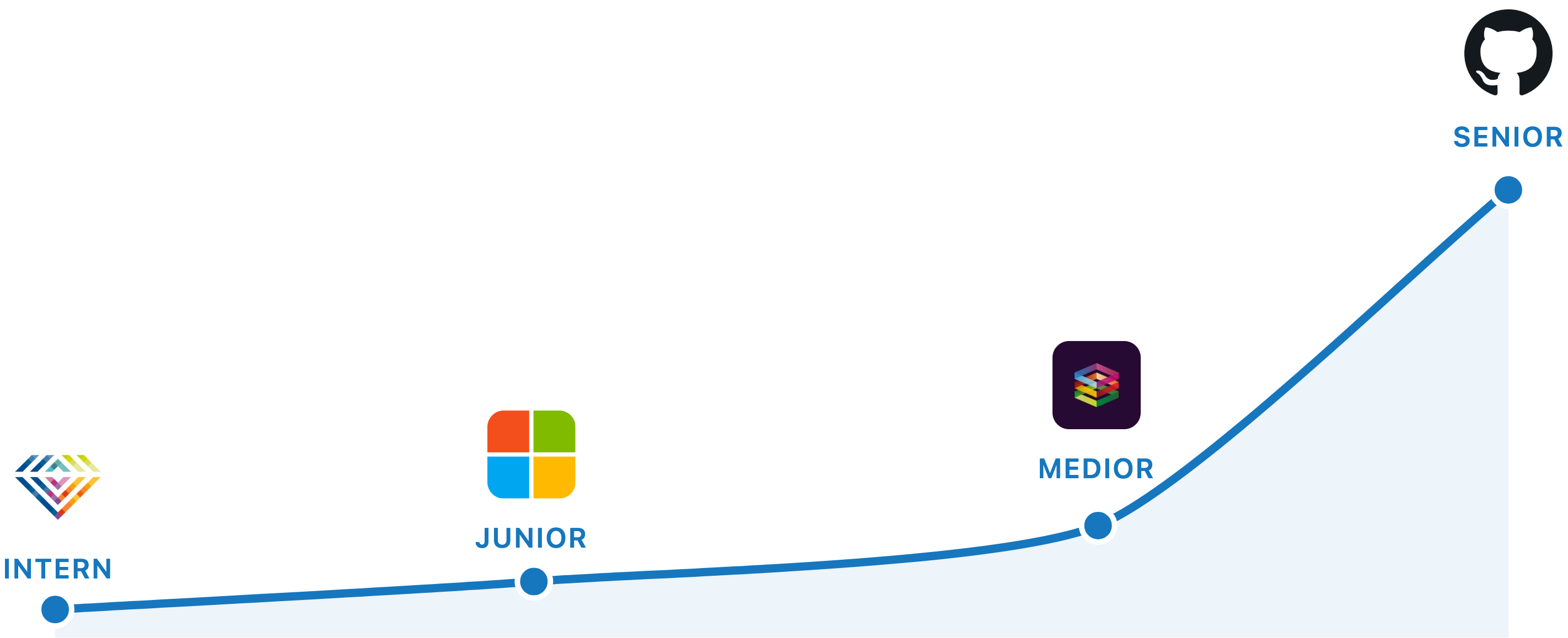
I've since worked remotely for international software companies throughout my career. Proof that the high-paid remote path is possible for anyone with the right skills and motivation. In the end, I went from a $500/month internship to 6 figures as a Senior AI Engineer at GitHub.
Now I teach over 22,000 engineers on YouTube. Becoming an AI-Native Engineer is a system I lived through and offer to you today.
Real Results

Vittor
AI Engineer
Landed his first AI Engineering role in 3 months
"The coaching played a huge part in my success. I focused on AI fundamentals, the certification path, and soft skills like professional writing. Having access to expert guidance gave me confidence during interviews and helped me feel I was on the right path.
I built my own platform (simple but functional) and deployed it on AWS. I used it in my portfolio and showcased it during interviews. The way complex topics were explained, especially the restaurant analogy for AI systems, really stuck with me. Focusing on doing the basics well was absolutely essential."
What You Will Get
Personalized Roadmap & Career Strategy
A custom plan tailored to your background, goals, and timeline. No generic advice.
Weekly 1:1 Coaching Calls
Direct access to Zen for guidance, project feedback, and answers to your questions.
Portfolio-Ready AI Projects
Build production-grade AI applications to showcase to employers. Work that gets you hired.
Interview Prep & Mock Interviews
Practice technical and behavioral interviews. Learn what hiring managers look for.
Resume & LinkedIn Optimization
Transform your online presence to attract recruiters. Stand out from other applicants.
Community Career Support
Join the AI Native Engineer community. Not seeing results yet? You stay and keep going. We're with you through the ups and downs.
Senior AI Engineers Are in Short Supply. The Level Jump Means $80K-$120K More in Total Comp.
Every month you delay can cost you thousands in lost earning potential. While you're watching tutorials, others are landing $120K+ AI Engineering roles.
I can only work with a limited number of 1:1 clients at a time to ensure you get the personalized attention you deserve.
Frequently Asked Questions
What defines a Senior AI Engineer?
Senior engineers are defined by scope and independence. You own entire systems, not just features. You make technical decisions autonomously. You unblock others and multiply team productivity. Specifically: you can design and implement complex AI systems without hand-holding, you anticipate problems before they occur, you write code that others can maintain, you mentor less experienced engineers, and you communicate effectively with non-technical stakeholders. It's about trusted independence.
What's the real difference between junior and senior?
Junior: needs guidance, works on well-defined tasks, focuses on own output. Mid-level: works independently, handles ambiguity, owns features. Senior: defines the work, handles complex ambiguity, owns systems, multiplies team output. The key shift: from 'doing assigned work well' to 'identifying what work needs to be done and ensuring it happens.' Senior engineers make everyone around them more effective.
What skills do I need to reach senior level?
Technical: deep expertise in 2-3 AI domains, system design ability, production debugging, performance optimization. Soft skills: clear technical writing, presentation skills, mentoring ability, giving feedback. Execution: project planning, risk identification, stakeholder management. The mix shifts—technical skills alone don't make senior. You need to demonstrate impact beyond your individual code.
How long does it take to become senior?
Typical path: 4-6 years total engineering experience, 2-3 years in AI specifically. Fast track: 3-4 years total with exceptional growth and impact. The timeline varies by company—startups promote faster, big tech has stricter leveling. What accelerates promotion: owning high-impact projects, demonstrating leadership, solving problems others avoid, and developing others. What slows it: staying in comfort zone, avoiding ownership, poor communication.
What's the salary jump to senior level?
Mid-level AI Engineer: $130K-$180K. Senior AI Engineer: $180K-$280K+. The jump is significant—often $80K-$120K in total compensation including equity. At FAANG and top AI companies: Senior ranges $300K-$400K+ total comp. The salary jump reflects increased scope and impact. Senior engineers are expected to deliver results that move business metrics, not just complete tasks.
How do I actually get promoted to senior?
Demonstrate senior behaviors before the title: own systems, mentor others, drive initiatives, communicate proactively. Build a promotion case with evidence: projects delivered, impact metrics, feedback from others. Have explicit conversations with your manager about gaps and expectations. Document your achievements—managers forget, and you need evidence for promotion committees. If your company won't promote you after demonstrating senior impact for 6-12 months, interview elsewhere. The title is easier to get when switching jobs.
What experience accelerates reaching senior?
High-impact projects that you can own end-to-end. Visibility with leadership on business-critical systems. Mentoring experience—helping others succeed demonstrates senior judgment. Cross-functional collaboration—working with PMs, design, other teams. Production incidents you helped resolve—crisis performance reveals capability. Build experience across the full lifecycle, not just implementation.
How much should I invest in senior-level skill building?
Shift from learning to applying: 80% should be demonstrating skills on real work. Use the remaining 20% to fill gaps: system design practice, leadership skills, communication. Read less, do more at this stage. The path to senior is through impact, not credentials. Focus on shipping important things and helping others succeed.
What if I don't land interviews in 90 days?
You become a member of the AI Native Engineer community, and you stay and keep going. Career transitions take different amounts of time for everyone, and I'm not going to abandon you if things take longer. You get ongoing support through good times and bad.
How is this different from online courses?
Online courses give you content. 1:1 coaching gives you a personalized roadmap, direct feedback on your work, career strategy, interview prep, and accountability. You get answers to your specific questions and guidance tailored to your unique situation instead of generic advice meant for everyone.
What's the investment for 1:1 coaching?
Investment details are discussed during the 30-minute strategy call, where we'll assess your goals and create a custom plan. The program is designed to pay for itself quickly through your increased salary. Most AI engineers see a 20-50% pay increase.
Can I do this while working full-time?
Absolutely. Most of my clients work full-time and make steady progress. We'll schedule calls at times that work for you and create a realistic plan that fits your schedule. Consistency matters more than intensity.
Ready to Land Your AI Role?
Stop watching others succeed. Start building your AI career today.
30-minute strategy call • Limited spots available