Portfolio Projects Employers
Actually Want
Most portfolios look identical. Tutorial clones don't prove you can solve
real problems. Here's what hiring managers actually look for.
AI Native Engineer Community Access
Your Portfolio Isn't Working.
Every candidate has the same MNIST classifier and chatbot tutorial. Nothing stands out.
You don't know what hiring managers actually evaluate. Technical depth? Polish? Originality?
Hours spent on projects that demonstrate following tutorials, not solving problems.
Build What Actually Impresses.
The AI Career Accelerator
Hiring managers don't want to see that you can follow a YouTube tutorial. They want proof you can identify problems, architect solutions, and ship production-quality work. Here's how to build a portfolio that demonstrates exactly that.
Solve Real Problems
Find genuine pain points, not tutorial ideas
Show Production Quality
Documentation, testing, deployment, not just code
Get Expert Feedback
Coaching reveals what you're missing
Meet Your Mentor

When I started in tech, I was based in the Netherlands with no connections and only thousands of video game hours under my belt. Not exactly the ideal starting point.
My first tech job was software tester. One of the most junior roles you can start with. I was just happy someone took a chance on me.
I kept learning. Kept pivoting. But what actually accelerated my career wasn't more certifications or more code. It was learning to solve problems that matter and proving beyond a doubt that what I built solved real problems. That's the skill that stays future-proof, even with AI.
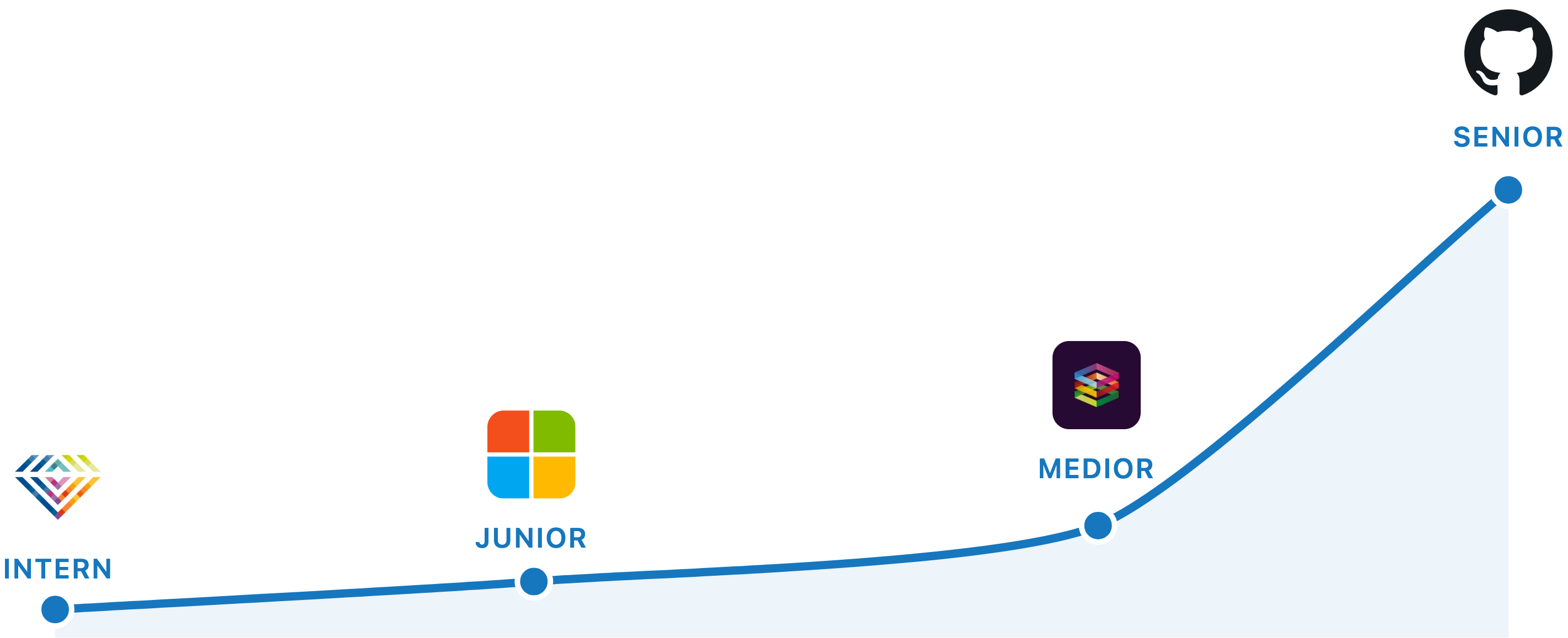
I've since worked remotely for international software companies throughout my career. Proof that the high-paid remote path is possible for anyone with the right skills and motivation. In the end, I went from a $500/month internship to 6 figures as a Senior AI Engineer at GitHub.
Now I teach over 22,000 engineers on YouTube. Becoming an AI-Native Engineer is a system I lived through and offer to you today.
Real Results

Vittor
AI Engineer
Landed his first AI Engineering role in 3 months
"The coaching played a huge part in my success. I focused on AI fundamentals, the certification path, and soft skills like professional writing. Having access to expert guidance gave me confidence during interviews and helped me feel I was on the right path.
I built my own platform (simple but functional) and deployed it on AWS. I used it in my portfolio and showcased it during interviews. The way complex topics were explained, especially the restaurant analogy for AI systems, really stuck with me. Focusing on doing the basics well was absolutely essential."
What You Will Get
Personalized Roadmap & Career Strategy
A custom plan tailored to your background, goals, and timeline. No generic advice.
Weekly 1:1 Coaching Calls
Direct access to Zen for guidance, project feedback, and answers to your questions.
Portfolio-Ready AI Projects
Build production-grade AI applications to showcase to employers. Work that gets you hired.
Interview Prep & Mock Interviews
Practice technical and behavioral interviews. Learn what hiring managers look for.
Resume & LinkedIn Optimization
Transform your online presence to attract recruiters. Stand out from other applicants.
Community Career Support
Join the AI Native Engineer community. Not seeing results yet? You stay and keep going. We're with you through the ups and downs.
Every Generic Portfolio Wastes Months
Every month you delay can cost you thousands in lost earning potential. While you're watching tutorials, others are landing $120K+ AI Engineering roles.
I can only work with a limited number of 1:1 clients at a time to ensure you get the personalized attention you deserve.
Frequently Asked Questions
What portfolio projects actually impress employers in 2026?
Employers look for three things: 1) Real problem-solving - projects that solve actual pain points, not tutorial exercises, 2) Production quality - proper documentation, error handling, testing, and deployment, 3) Technical depth appropriate to your target role - showing you understand why you made certain choices, not just that you copied code. A single well-architected project that solves a genuine problem beats ten tutorial clones.
How many portfolio projects do I need?
Quality matters infinitely more than quantity. Two or three excellent projects demonstrating real problem-solving will outperform a dozen tutorial clones. Focus on depth: one end-to-end ML system with proper data pipelines, monitoring, and documentation shows more than five Jupyter notebooks with sklearn examples.
Are tutorial projects worthless?
Tutorials are fine for learning, but they shouldn't be your portfolio. Everyone has done the same sentiment analysis and image classifier tutorials. If you include tutorial-based projects, extend them significantly: add unique features, deploy them properly, handle edge cases the tutorial ignored. Better yet, use tutorial skills to solve an original problem.
How do I build a strong portfolio without work experience?
This is exactly where portfolio projects matter most. Focus on: 1) Open source contributions to real projects people use, 2) Personal projects that solve problems you actually face, 3) Kaggle competitions with detailed write-ups explaining your approach, 4) Freelance or volunteer work for nonprofits needing ML solutions. The key is demonstrating you can operate independently and ship real solutions.
How much time do I need to commit?
Most clients invest 10-15 hours per week, but this can be flexible based on your schedule. We'll have weekly 1:1 calls plus time for you to work on projects and learning. The key is consistency. Regular, focused effort beats occasional marathons.
How does coaching help with portfolio building?
Building in isolation means you don't know what you're missing. Coaching provides: 1) Insider perspective on what hiring managers actually evaluate, 2) Project ideas based on current industry needs, 3) Code review that catches issues before employers see them, 4) Strategic guidance on which projects to prioritize for your target role. Most candidates waste months on projects that don't demonstrate the right skills.
Do I need prior AI experience?
Not necessarily. While some programming experience is helpful, many of my clients have successfully transitioned from web development, data science, or other technical backgrounds. We'll assess your current skills during our strategy call and create a personalized plan that meets you where you are.
What if I don't land interviews in 90 days?
You become a member of the AI Native Engineer community, and you stay and keep going. Career transitions take different amounts of time for everyone, and I'm not going to abandon you if things take longer. You get ongoing support through good times and bad.
How is this different from online courses?
Online courses give you content. 1:1 coaching gives you a personalized roadmap, direct feedback on your work, career strategy, interview prep, and accountability. You get answers to your specific questions and guidance tailored to your unique situation instead of generic advice meant for everyone.
What's the investment for 1:1 coaching?
Investment details are discussed during the 30-minute strategy call, where we'll assess your goals and create a custom plan. The program is designed to pay for itself quickly through your increased salary. Most AI engineers see a 20-50% pay increase.
Can I do this while working full-time?
Absolutely. Most of my clients work full-time and make steady progress. We'll schedule calls at times that work for you and create a realistic plan that fits your schedule. Consistency matters more than intensity.
Ready to Land Your AI Role?
Stop watching others succeed. Start building your AI career today.
30-minute strategy call • Limited spots available