Principal AI Engineer vs Staff:
The Top of the IC Ladder
Principal is the pinnacle of individual contributor engineering.
Few reach it, but understanding the path helps you decide if it's your goal.
AI Native Engineer Community Access
Wondering What's Beyond Staff Level?
Or If It's Even Worth Pursuing?
You're staff or senior staff and wondering if principal is the right goal for your career.
Principal descriptions sound abstract—you can't tell what the day-to-day actually looks like.
You're not sure if principal is achievable or reserved for a select few.
Company-Wide Influence: The Principal Bar
The AI Career Accelerator
Staff engineers shape multiple teams. Principal engineers shape the entire engineering organization—and sometimes the industry. It's rare, elite, and requires exceptional impact.
Staff Scope
Cross-team influence, multi-system architecture, org-level technical standards
Principal Scope
Company-wide technical direction, industry influence, defining how AI gets built
Key Difference
Staff is influential within engineering. Principal is influential at the company level.
Meet Your Mentor

When I started in tech, I was based in the Netherlands with no connections and only thousands of video game hours under my belt. Not exactly the ideal starting point.
My first tech job was software tester. One of the most junior roles you can start with. I was just happy someone took a chance on me.
I kept learning. Kept pivoting. But what actually accelerated my career wasn't more certifications or more code. It was learning to solve problems that matter and proving beyond a doubt that what I built solved real problems. That's the skill that stays future-proof, even with AI.
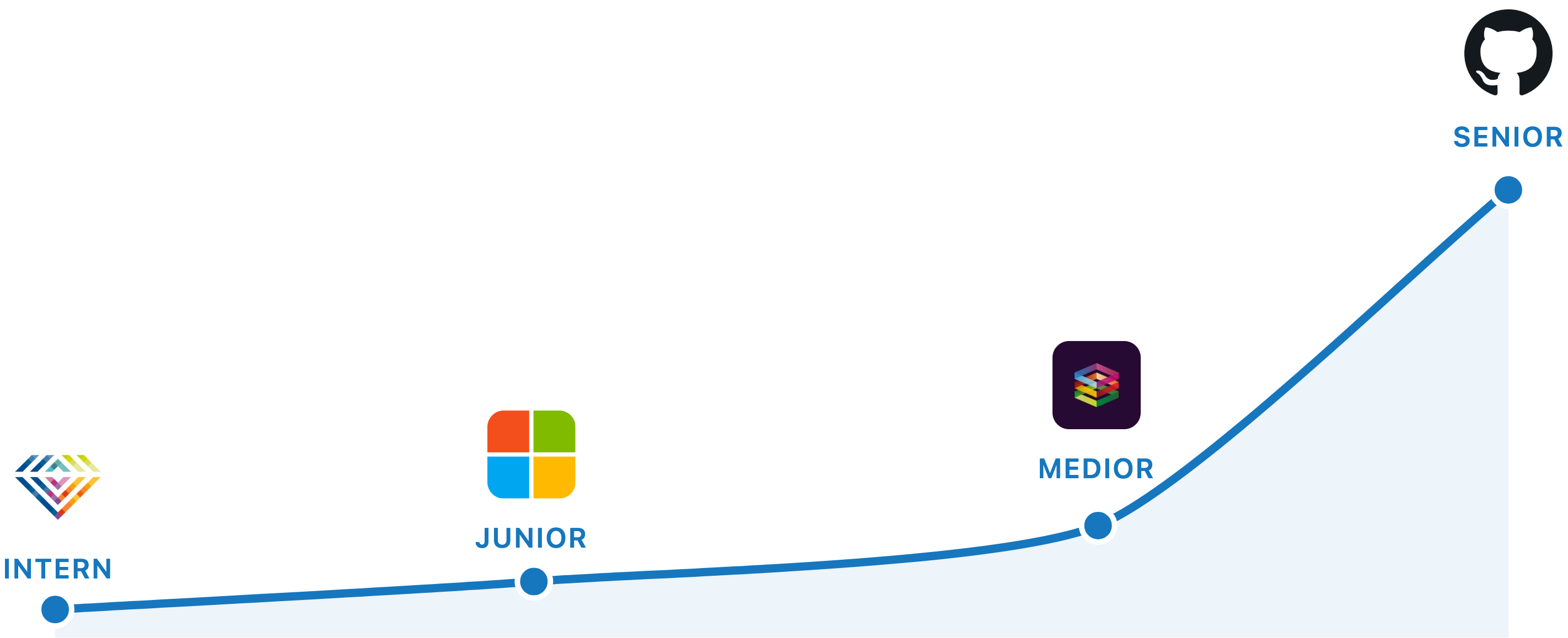
I've since worked remotely for international software companies throughout my career. Proof that the high-paid remote path is possible for anyone with the right skills and motivation. In the end, I went from a $500/month internship to 6 figures as a Senior AI Engineer at GitHub.
Now I teach over 22,000 engineers on YouTube. Becoming an AI-Native Engineer is a system I lived through and offer to you today.
Real Results

Vittor
AI Engineer
Landed his first AI Engineering role in 3 months
"The coaching played a huge part in my success. I focused on AI fundamentals, the certification path, and soft skills like professional writing. Having access to expert guidance gave me confidence during interviews and helped me feel I was on the right path.
I built my own platform (simple but functional) and deployed it on AWS. I used it in my portfolio and showcased it during interviews. The way complex topics were explained, especially the restaurant analogy for AI systems, really stuck with me. Focusing on doing the basics well was absolutely essential."
What You Will Get
Personalized Roadmap & Career Strategy
A custom plan tailored to your background, goals, and timeline. No generic advice.
Weekly 1:1 Coaching Calls
Direct access to Zen for guidance, project feedback, and answers to your questions.
Portfolio-Ready AI Projects
Build production-grade AI applications to showcase to employers. Work that gets you hired.
Interview Prep & Mock Interviews
Practice technical and behavioral interviews. Learn what hiring managers look for.
Resume & LinkedIn Optimization
Transform your online presence to attract recruiters. Stand out from other applicants.
Community Career Support
Join the AI Native Engineer community. Not seeing results yet? You stay and keep going. We're with you through the ups and downs.
Principal Roles Are Rare. Understanding the Bar Helps You Prepare.
Every month you delay can cost you thousands in lost earning potential. While you're watching tutorials, others are landing $120K+ AI Engineering roles.
I can only work with a limited number of 1:1 clients at a time to ensure you get the personalized attention you deserve.
Frequently Asked Questions
What is the main difference between principal and staff AI engineers?
Scope and influence level. Staff engineers influence multiple teams—setting standards, driving cross-team initiatives, mentoring across the org. Principal engineers influence the entire company—defining technical vision, making decisions that affect all of engineering, representing the company externally. Think of it this way: staff engineers shape how teams build. Principal engineers shape what the company builds.
How much more do principal AI engineers earn than staff?
Significant premium. Staff engineers earn $200K-$350K. Principal engineers earn $300K-$600K+, with total compensation at top companies reaching $700K-$1M+ including equity. That's 40-70% above staff level. The compensation reflects exceptional rarity and impact—principals often make decisions worth millions to the company. At this level, equity becomes a major component of compensation.
How rare are principal engineer roles?
Very rare. At most companies, principal engineers make up less than 1% of engineering. Some large companies have dozens; many have single digits. The path is intentionally narrow—principal represents exceptional, sustained impact over many years. Most engineers never reach principal, and that's okay. Staff is already in the top 5-10% of engineers. Principal is the top 1%.
What skills do principal AI engineers need beyond staff?
Principals need everything staff engineers have, plus: executive communication (influencing C-level decisions), industry expertise (representing the company externally), long-term vision (3-5 year technical strategy), organizational leadership without authority, and often deep expertise in a domain where they're recognized externally. Principals often write papers, speak at conferences, and are known outside their company.
How do I reach principal level?
There's no formula, but common patterns include: leading transformational technical initiatives that change the company, building expertise that makes you the go-to person for an important domain, mentoring and growing multiple staff engineers, contributing to industry standards or open source, and being the technical voice in strategic company decisions. It requires exceptional sustained impact over 15-20+ years typically.
Is pursuing principal level worth it?
For most engineers, staff or senior staff is the practical ceiling—and that's a great career. Principal requires rare opportunity, exceptional ability, and often luck. If you love deep technical work and want maximum impact, it's worth pursuing. But if you optimize specifically for principal, you might make worse career choices than optimizing for interesting work at staff level. The best principals didn't chase the title—they chased the most impactful problems.
Can I become a principal AI engineer without being promoted through the ranks?
Extremely rare. Principal roles almost always require a track record of staff-level impact. External principal hires typically come from other companies where the person already demonstrated principal-level scope. You won't jump from senior to principal externally. The rare exception is senior leaders from research labs or highly visible open-source projects who bring external credibility.
What's the typical timeline to principal engineer?
15-20+ years is typical, though some reach it faster in exceptional circumstances. The path usually looks like: Junior (0-2) → Mid (2-4) → Senior (4-7) → Staff (7-12) → Senior Staff (12-15) → Principal (15-20+). Many companies have Senior Staff as an intermediate level. The timeline varies by company, opportunity, and individual impact. Few engineers under 35 hold principal titles.
What if I don't land interviews in 90 days?
You become a member of the AI Native Engineer community, and you stay and keep going. Career transitions take different amounts of time for everyone, and I'm not going to abandon you if things take longer. You get ongoing support through good times and bad.
How is this different from online courses?
Online courses give you content. 1:1 coaching gives you a personalized roadmap, direct feedback on your work, career strategy, interview prep, and accountability. You get answers to your specific questions and guidance tailored to your unique situation instead of generic advice meant for everyone.
What's the investment for 1:1 coaching?
Investment details are discussed during the 30-minute strategy call, where we'll assess your goals and create a custom plan. The program is designed to pay for itself quickly through your increased salary. Most AI engineers see a 20-50% pay increase.
Can I do this while working full-time?
Absolutely. Most of my clients work full-time and make steady progress. We'll schedule calls at times that work for you and create a realistic plan that fits your schedule. Consistency matters more than intensity.
Ready to Land Your AI Role?
Stop watching others succeed. Start building your AI career today.
30-minute strategy call • Limited spots available