RAG vs Fine-Tuning
Know When to Use Each.
The wrong choice costs months and thousands in compute.
Learn the decision framework that senior AI engineers use.
AI Native Engineer Community Access
Choosing Wrong Costs You Big.
Unclear decision criteria. Blog posts contradict each other, leaving you guessing which approach fits your use case.
Cost and complexity tradeoffs are murky. Fine-tuning seems powerful but RAG seems simpler. Which actually saves money?
Wrong approach wastes months. You build a RAG system that needed fine-tuning, or fine-tune when RAG would've worked better.
A Clear Decision Framework.
The AI Career Accelerator
RAG and fine-tuning solve different problems. RAG excels at injecting external knowledge; fine-tuning excels at changing model behavior. Once you understand this distinction, the right choice becomes obvious for most use cases.
Understand the Core Difference
Knowledge injection vs behavior modification
Map Your Use Case
What problem are you actually solving
Apply the Decision Framework
Choose with confidence, not guesswork
Meet Your Mentor

When I started in tech, I was based in the Netherlands with no connections and only thousands of video game hours under my belt. Not exactly the ideal starting point.
My first tech job was software tester. One of the most junior roles you can start with. I was just happy someone took a chance on me.
I kept learning. Kept pivoting. But what actually accelerated my career wasn't more certifications or more code. It was learning to solve problems that matter and proving beyond a doubt that what I built solved real problems. That's the skill that stays future-proof, even with AI.
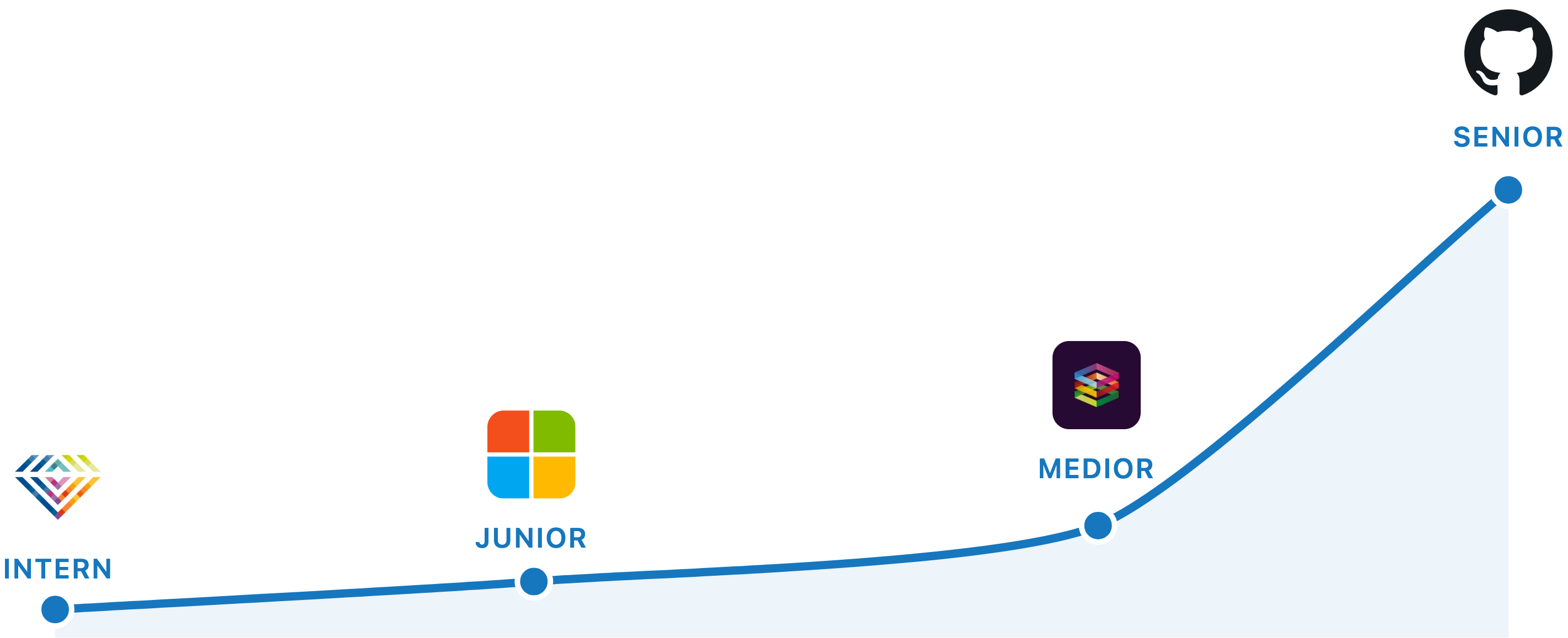
I've since worked remotely for international software companies throughout my career. Proof that the high-paid remote path is possible for anyone with the right skills and motivation. In the end, I went from a $500/month internship to 6 figures as a Senior AI Engineer at GitHub.
Now I teach over 22,000 engineers on YouTube. Becoming an AI-Native Engineer is a system I lived through and offer to you today.
Real Results

Vittor
AI Engineer
Landed his first AI Engineering role in 3 months
"The coaching played a huge part in my success. I focused on AI fundamentals, the certification path, and soft skills like professional writing. Having access to expert guidance gave me confidence during interviews and helped me feel I was on the right path.
I built my own platform (simple but functional) and deployed it on AWS. I used it in my portfolio and showcased it during interviews. The way complex topics were explained, especially the restaurant analogy for AI systems, really stuck with me. Focusing on doing the basics well was absolutely essential."
What You Will Get
Personalized Roadmap & Career Strategy
A custom plan tailored to your background, goals, and timeline. No generic advice.
Weekly 1:1 Coaching Calls
Direct access to Zen for guidance, project feedback, and answers to your questions.
Portfolio-Ready AI Projects
Build production-grade AI applications to showcase to employers. Work that gets you hired.
Interview Prep & Mock Interviews
Practice technical and behavioral interviews. Learn what hiring managers look for.
Resume & LinkedIn Optimization
Transform your online presence to attract recruiters. Stand out from other applicants.
Community Career Support
Join the AI Native Engineer community. Not seeing results yet? You stay and keep going. We're with you through the ups and downs.
Every Week You Hesitate Is a Week Building the Wrong Thing
Every month you delay can cost you thousands in lost earning potential. While you're watching tutorials, others are landing $120K+ AI Engineering roles.
I can only work with a limited number of 1:1 clients at a time to ensure you get the personalized attention you deserve.
Frequently Asked Questions
What's the difference between RAG and fine-tuning in simple terms?
RAG (Retrieval-Augmented Generation) gives the model access to external documents at query time. It's like giving someone a reference book to look things up. Fine-tuning changes the model's weights through additional training. It's like teaching someone new skills they'll remember forever. RAG adds knowledge; fine-tuning changes behavior.
When should I use RAG over fine-tuning?
Use RAG when: 1) Your knowledge base changes frequently and you need up-to-date information, 2) You need citations and source attribution, 3) You're working with proprietary documents the model was never trained on, 4) You want to avoid the cost and complexity of training. RAG is ideal for Q&A over company docs, customer support bots, and research assistants.
When should I use fine-tuning over RAG?
Use fine-tuning when: 1) You need consistent style, tone, or formatting the base model doesn't naturally produce, 2) You're teaching domain-specific reasoning or classification patterns, 3) You need faster inference without retrieval latency, 4) The knowledge is relatively static and doesn't need frequent updates. Fine-tuning excels at specialized classification, consistent brand voice, and domain-specific reasoning.
Can I combine RAG and fine-tuning?
Yes, and this is often the best approach for complex applications. Fine-tune for behavior (style, reasoning patterns, output format) and use RAG for dynamic knowledge. For example, fine-tune a model to respond in your brand voice and follow your output schema, then use RAG to inject product information and customer context at query time.
Which is more cost-effective: RAG or fine-tuning?
It depends on scale and use case. RAG has higher per-query costs (embedding + retrieval + longer prompts) but zero training costs. Fine-tuning has upfront training costs but lower per-query costs and no retrieval infrastructure. For low-volume applications, RAG is usually cheaper. At high scale with stable requirements, fine-tuning often wins. The real cost is building the wrong thing first.
How can coaching help me make better AI architecture decisions?
1:1 coaching gives you a senior AI engineer's perspective on your specific use case. Instead of reading generic blog posts, you get direct guidance: 'For your customer support bot with 50K monthly queries and frequently changing product info, here's exactly what I'd build.' You skip the trial-and-error phase that costs most teams months of wasted effort.
Do I need prior AI experience?
Not necessarily. While some programming experience is helpful, many of my clients have successfully transitioned from web development, data science, or other technical backgrounds. We'll assess your current skills during our strategy call and create a personalized plan that meets you where you are.
How much time do I need to commit?
Most clients invest 10-15 hours per week, but this can be flexible based on your schedule. We'll have weekly 1:1 calls plus time for you to work on projects and learning. The key is consistency. Regular, focused effort beats occasional marathons.
What if I don't land interviews in 90 days?
You become a member of the AI Native Engineer community, and you stay and keep going. Career transitions take different amounts of time for everyone, and I'm not going to abandon you if things take longer. You get ongoing support through good times and bad.
How is this different from online courses?
Online courses give you content. 1:1 coaching gives you a personalized roadmap, direct feedback on your work, career strategy, interview prep, and accountability. You get answers to your specific questions and guidance tailored to your unique situation instead of generic advice meant for everyone.
What's the investment for 1:1 coaching?
Investment details are discussed during the 30-minute strategy call, where we'll assess your goals and create a custom plan. The program is designed to pay for itself quickly through your increased salary. Most AI engineers see a 20-50% pay increase.
Can I do this while working full-time?
Absolutely. Most of my clients work full-time and make steady progress. We'll schedule calls at times that work for you and create a realistic plan that fits your schedule. Consistency matters more than intensity.
Ready to Land Your AI Role?
Stop watching others succeed. Start building your AI career today.
30-minute strategy call • Limited spots available