Remote vs Onsite AI Engineer:
Which Work Style Fits Your Career?
The 2026 AI job market has matured. Both options are viable, but the tradeoffs are real.
Here's what actually matters for your career and life.
AI Native Engineer Community Access
Remote Freedom or Onsite Growth?
You're Not Sure Which Path Leads Where
Remote work offers freedom, but you worry about career stagnation. Out of sight, out of mind for promotions?
Onsite means face time and faster growth, but commuting and location constraints feel limiting.
You're not sure which companies actually support remote work long-term. RTO mandates keep changing.
Here's How Remote and Onsite AI Roles Actually Compare in 2026
The AI Career Accelerator
The remote vs onsite debate has evolved. Both are legitimate career paths with different optimization points.
Remote AI Engineering
Location flexibility, cost of living arbitrage, async culture, but requires self-discipline
Onsite AI Engineering
Higher pay in tech hubs, faster promotion, real-time collaboration, but location-locked
Hybrid Option
Many companies offer 2-3 days onsite, balancing flexibility and presence
Meet Your Mentor

When I started in tech, I was based in the Netherlands with no connections and only thousands of video game hours under my belt. Not exactly the ideal starting point.
My first tech job was software tester. One of the most junior roles you can start with. I was just happy someone took a chance on me.
I kept learning. Kept pivoting. But what actually accelerated my career wasn't more certifications or more code. It was learning to solve problems that matter and proving beyond a doubt that what I built solved real problems. That's the skill that stays future-proof, even with AI.
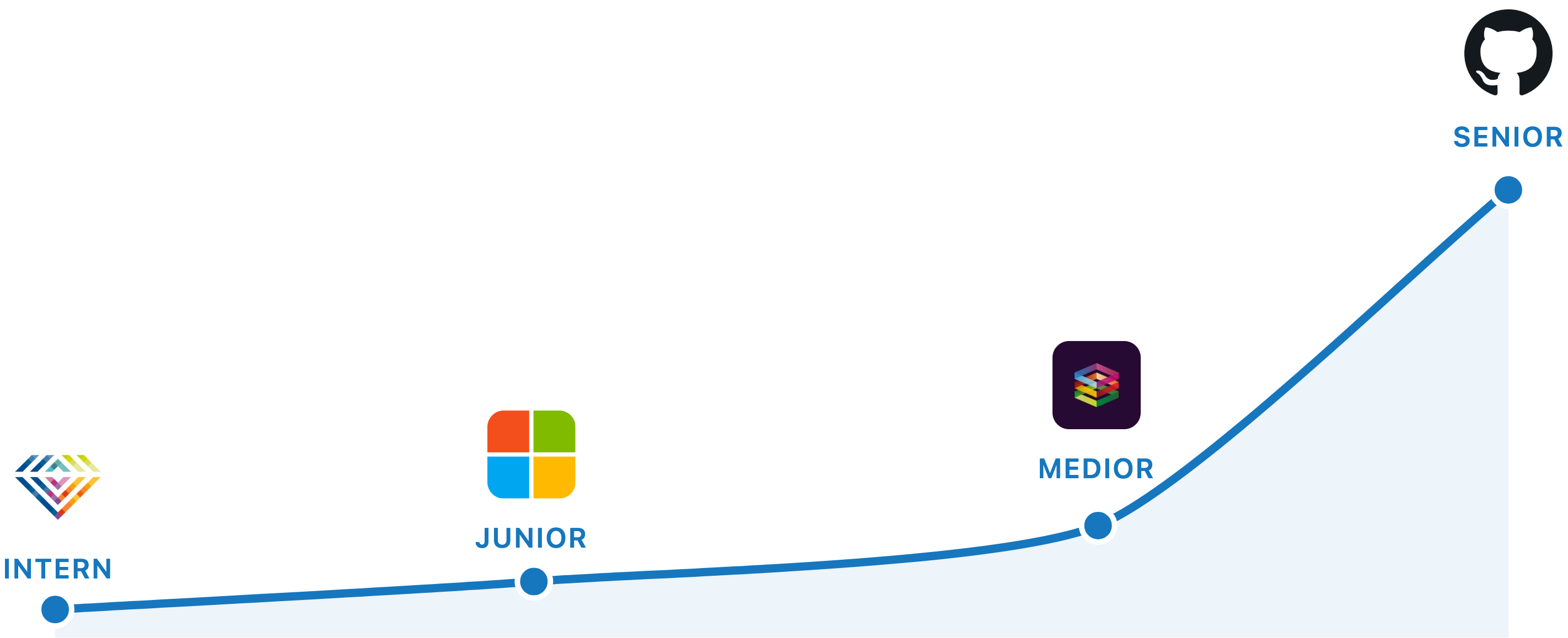
I've since worked remotely for international software companies throughout my career. Proof that the high-paid remote path is possible for anyone with the right skills and motivation. In the end, I went from a $500/month internship to 6 figures as a Senior AI Engineer at GitHub.
Now I teach over 22,000 engineers on YouTube. Becoming an AI-Native Engineer is a system I lived through and offer to you today.
Real Results

Vittor
AI Engineer
Landed his first AI Engineering role in 3 months
"The coaching played a huge part in my success. I focused on AI fundamentals, the certification path, and soft skills like professional writing. Having access to expert guidance gave me confidence during interviews and helped me feel I was on the right path.
I built my own platform (simple but functional) and deployed it on AWS. I used it in my portfolio and showcased it during interviews. The way complex topics were explained, especially the restaurant analogy for AI systems, really stuck with me. Focusing on doing the basics well was absolutely essential."
What You Will Get
Personalized Roadmap & Career Strategy
A custom plan tailored to your background, goals, and timeline. No generic advice.
Weekly 1:1 Coaching Calls
Direct access to Zen for guidance, project feedback, and answers to your questions.
Portfolio-Ready AI Projects
Build production-grade AI applications to showcase to employers. Work that gets you hired.
Interview Prep & Mock Interviews
Practice technical and behavioral interviews. Learn what hiring managers look for.
Resume & LinkedIn Optimization
Transform your online presence to attract recruiters. Stand out from other applicants.
Community Career Support
Join the AI Native Engineer community. Not seeing results yet? You stay and keep going. We're with you through the ups and downs.
Fully Remote AI Roles Dropped 40% Since 2023, But AI-Native Companies Still Hire Remotely.
Every month you delay can cost you thousands in lost earning potential. While you're watching tutorials, others are landing $120K+ AI Engineering roles.
I can only work with a limited number of 1:1 clients at a time to ensure you get the personalized attention you deserve.
Frequently Asked Questions
How do remote AI engineer salaries compare to onsite?
Location-adjusted: Remote AI engineers outside tech hubs earn $130K-$200K. Onsite engineers in SF/NYC earn $180K-$300K+. However, cost of living dramatically affects real purchasing power. A $180K remote salary in Austin or Denver often provides better lifestyle than $250K in San Francisco. Some companies pay 'location-adjusted' rates (10-25% less for remote). Others pay the same regardless of location—these are premium remote opportunities. The trend: large tech companies increasingly adjust pay by location, while AI-native startups often pay uniformly.
Is career growth slower for remote AI engineers?
Research suggests remote workers do get promoted slightly slower—about 30% less likely in some studies. Visibility matters for promotions. However, this varies dramatically by company culture. Remote-first companies (GitLab, Zapier, many AI startups) promote remote workers normally. Traditional companies with forced-remote create two-tier systems favoring onsite. The key: choose companies with remote-friendly culture, not companies tolerating remote work. Ask during interviews: 'What percentage of your engineering leadership works remotely?'
Which companies offer the best remote AI engineering roles?
AI-native companies often have strong remote cultures: Anthropic, Hugging Face, and many AI startups. Remote-first companies (GitLab, Zapier, Automattic) hire AI engineers fully remote. Big tech varies: Google and Meta have pushed RTO, while Microsoft and some others maintain hybrid flexibility. The most competitive remote AI roles: specialized positions at AI-native companies, contract work for multiple clients, and infrastructure/MLOps roles that don't require on-prem access. The least remote-friendly: roles requiring access to proprietary data or specialized hardware.
Are remote AI engineers as productive as onsite?
For experienced engineers, remote productivity is typically equal or higher—fewer interruptions, no commute, focused deep work time. For junior engineers, remote can slow learning—less spontaneous mentorship, harder to ask quick questions. AI engineering specifically: most work is individual coding and research, which suits remote well. Collaborative work (system design, debugging sessions) is harder remote but manageable with good tools. The real productivity factor: your personal work style and home environment. Some people thrive remote, others need office structure.
What's the remote work landscape for AI engineers in 2026?
The market has settled into three tiers: (1) Fully remote: AI-native startups, remote-first companies, contract/consulting work. (2) Hybrid (2-3 days onsite): most large tech companies, well-funded startups in tech hubs. (3) Fully onsite: some enterprises, companies with on-prem requirements, roles requiring specialized hardware. The trend: RTO mandates have stabilized. Companies that went hybrid in 2024-2025 are staying hybrid. Fully remote opportunities have decreased but still exist for strong candidates. AI-specific trend: the most cutting-edge AI companies (working on frontier models) often require onsite for security and collaboration.
How do I decide between remote and onsite AI roles?
Choose remote if: you have strong self-discipline and work-from-home setup, you want geographic flexibility (travel, live in preferred location), you're mid-career or senior with established skills, or you're optimizing for lifestyle over maximum compensation. Choose onsite if: you're early career and need mentorship, you want fastest possible career progression, you thrive on in-person collaboration, or you want access to the highest-paying roles in tech hubs. Consider hybrid if: you want some flexibility without full isolation, you're near a tech hub but don't want daily commute, or your company's culture centers on office presence but allows flexibility.
How much experience do I need to work remotely as an AI engineer?
Junior engineers (0-2 years) benefit significantly from onsite work: real-time mentorship, watching senior engineers work, spontaneous learning. Remote junior roles exist but require exceptional self-direction. Mid-level (3-5 years) can work remotely effectively with occasional in-person time. Senior (5+ years) can be fully remote—they've already built the fundamentals and network. The exception: if you're at a remote-first company with strong async culture and dedicated onboarding, junior remote can work.
How does time commitment differ between remote and onsite?
Remote: no commute saves 1-2 hours/day, but boundaries blur—work can creep into evenings and weekends without physical separation. Onsite: commute adds 1-2 hours/day, but work stays at work with clearer boundaries. Hybrid: middle ground, with commute days requiring more time. Remote workers often report working more hours than onsite workers despite saving commute time. The key to healthy remote work: strict boundaries, dedicated workspace, and intentional 'end of day' rituals.
What if I don't land interviews in 90 days?
You become a member of the AI Native Engineer community, and you stay and keep going. Career transitions take different amounts of time for everyone, and I'm not going to abandon you if things take longer. You get ongoing support through good times and bad.
How is this different from online courses?
Online courses give you content. 1:1 coaching gives you a personalized roadmap, direct feedback on your work, career strategy, interview prep, and accountability. You get answers to your specific questions and guidance tailored to your unique situation instead of generic advice meant for everyone.
What's the investment for 1:1 coaching?
Investment details are discussed during the 30-minute strategy call, where we'll assess your goals and create a custom plan. The program is designed to pay for itself quickly through your increased salary. Most AI engineers see a 20-50% pay increase.
Can I do this while working full-time?
Absolutely. Most of my clients work full-time and make steady progress. We'll schedule calls at times that work for you and create a realistic plan that fits your schedule. Consistency matters more than intensity.
Ready to Land Your AI Role?
Stop watching others succeed. Start building your AI career today.
30-minute strategy call • Limited spots available